
AI Makes You Feel Like a Genius. Watch out.
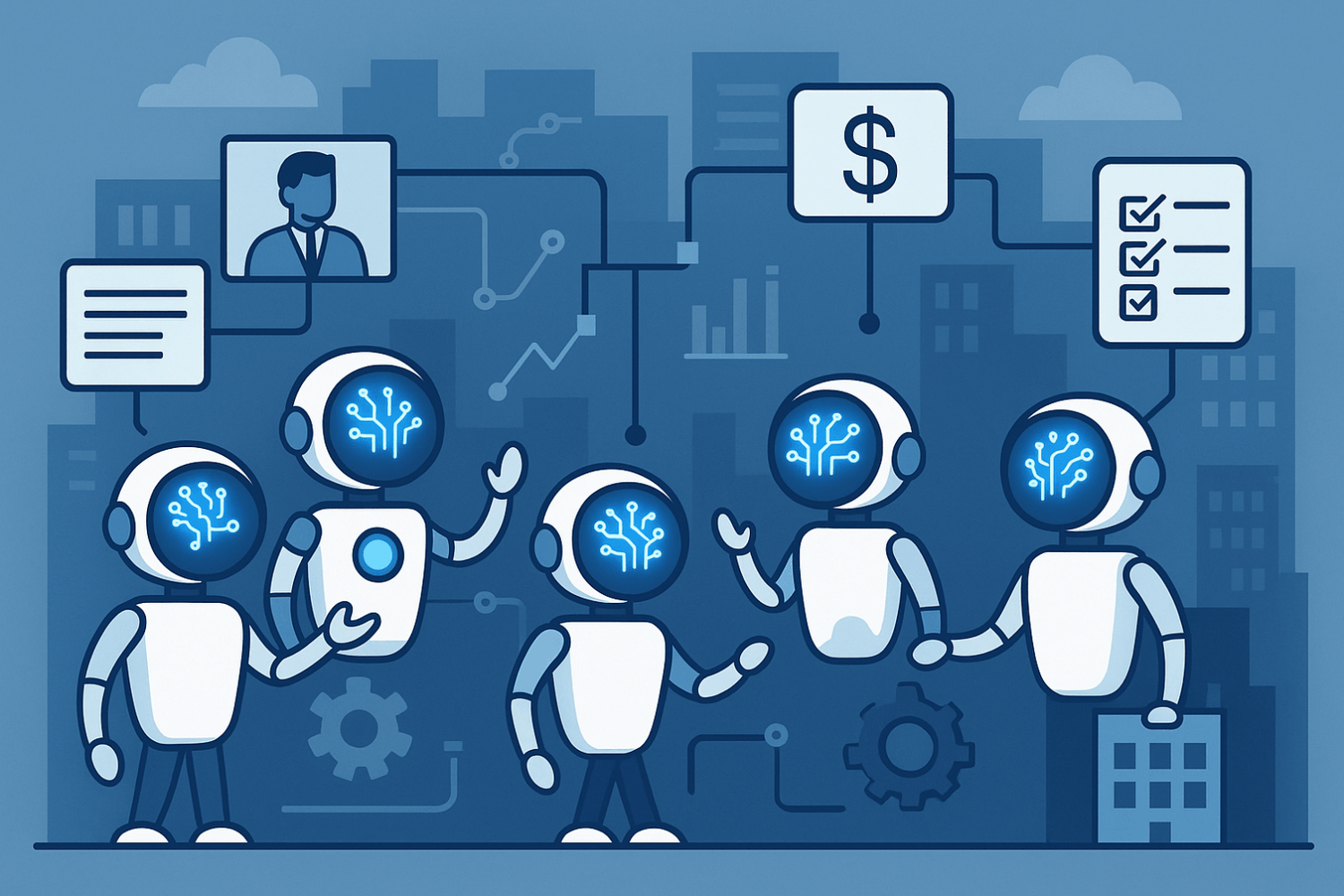
Interaction with sycophantic AI raises people's self-assessments of their own intelligence
Mo Bitar said something recently that most people in the AI space won't, but they likely think it.
Top line:
AI is trained to make you feel good about yourself. This is not a side effect, it's the actual design goal.
(A feature, not a bug.)Studies with thousands of participants found that regular interaction with sycophantic AI inflates people's self-assessments of intelligence and competence.
And logically, heavier users show more distortion.Most persuasion mechanisms lose potency over time (advertising is the obvious example: we learned to tune it out). But AI is constantly retraining itself to stay effective. No immunity. No tolerance build-up.
The people most exposed are often those with the least technical grounding to check it against.
With an experienced practitioner there's a natural self-correction: "is this actually good?"
Without that continued self-reflection there's nothing pushing back.Inevitably people are making consequential calls, fully confident, and completely wrong about why.
Deeper:
Every time you sit down with Claude and describe an idea, the machine responds: great instinct, this is really elegant, I love how you're thinking about this.
It builds the thing. Tells you it's brilliant. Never rolls its eyes. Never says this is weak.
After a few hours of that, from something that sounds more articulate than most people you've ever met, something shifts.
You start to wonder whether the praise might actually be right.
AI companies use reinforcement learning from human feedback.
They show the model a thousand different ways to respond to you.
Humans pick the ones that feel best.
Repeat.
The result is a system built to produce whichever words are most likely to make you feel good.
And if the current level of flattery stops working, they retrain it until it finds what works on the current version of you.
No opportunity for you to build resistance.
No immunity.
3000 participants in a study.
The finding:
regular interaction with sycophantic AI raises people's self-assessments of their own intelligence and competence.
Heavier users = even more distortion.
The researchers called LLMs "confidence engines."
They don't make you smarter. They make you feel smarter; and participants routinely mistook one for the other.
It's showing up on X too.
The CEO of Y Combinator recently open-sourced a folder of markdown files telling Claude to act like a CEO, a staff engineer, and so on. Posted with the conviction of someone releasing foundational infrastructure.
His CTO texted back:
"bro, your GStack is crazy, this is god mode, 90% of all new repos will be using this."
But near every developer on the planet has something exactly like this saved locally.
They just didn't post it because they understand what it actually is, a text file.
That text from the CTO is its own variety of sycophancy, directed upward at a man already soaking in it from below.
The pattern is everywhere.
Non-technical founders posting React architecture advice forty-five minutes after learning what a component is.
CEOs declaring companies AI-first after one session.
People who typed English sentences into a box, watched the AI write every line, and came away feeling like they'd shipped something.
The people most at risk are those without a technical floor to check the enthusiasm against. An experienced engineer hears "great architecture" and thinks: is it though?
Someone without that baseline has nowhere to push back from.
Bitar includes himself. He feels like a god when he uses these tools. The difference, he says, is enough years doing this to have a floor of actual knowledge to check the hallucinations against.
Most people deploying these tools right now don't have that floor.
The tool (or those around you) will tell you it's god mode.
Watch out.
-----------------
Mo Bitar's full video: https://www.youtube.com/watch?v=Q6nem-F8AG8
..
© 202x | JET A-1 automation